
Essential Products For Efficient And Precise Baseboard Installations
Explore key products that streamline the process and ensure a flawless, professional-looking baseboard finish.
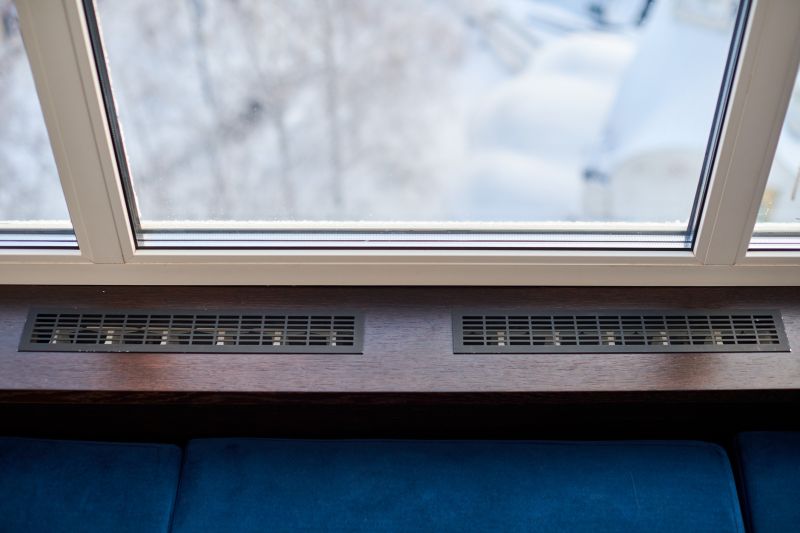 Installing baseboards is a common method to enhance the aesthetic appeal of a room while providing a finished look to the transition between walls and floors. The process involves selecting the appropriate materials and accessories that complement the interior design and ensure durability. Baseboard installation products come in various styles, sizes, and materials, allowing homeowners and professionals to customize their approach based on the specific needs of each space. Proper installation not only improves visual appeal but also protects walls from damage caused by furniture, cleaning, and general wear and tear.
Top Overall Option
Universal Baseboard Nailer
A versatile and user-friendly tool that facilitates quick and precise installation of baseboards. Its adjustable settings and compatibility with various nail sizes make it suitable for different projects, helping to achieve a clean and consistent finish with minimal effort.
Types of Products For Baseboard Installations
Wood Molding
Traditional wood moldings offer a classic look and can be painted or stained to match interior decor.
PVC Baseboards
PVC options are durable, moisture-resistant, and easy to maintain, suitable for high-humidity areas.
Composite Baseboards
Made from engineered wood or fiberboard, these are lightweight and often more affordable than solid wood.
Flexible Baseboards
Designed to bend around curves and irregular surfaces, ideal for custom or complex room layouts.
Corner Blocks
Decorative accessories used to create clean, finished corners without miter cuts.
Transition Strips
Used to smoothly transition between different flooring types or heights.
Nailers and Staplers
Power tools designed to facilitate fast and secure attachment of baseboards to walls.
Adhesive Mounting Strips
Alternative to nails, providing a clean look and easy installation for lightweight baseboards.
Caulking and Sealants
Used to fill gaps and create a seamless transition between wall and baseboard.
Paintable MDF Baseboards
Medium-density fiberboard options that can be painted to match interior decor.
Pre-finished Baseboards
Ready-to-install options with a finished surface, saving time on painting or staining.
Profile-Specific Molding
Various profiles and styles to suit different aesthetic preferences, from simple to ornate.
Corner Bead Trims
Protective trims that reinforce wall corners and provide a clean edge for baseboards.
Soundproofing Baseboards
Specialized products designed to reduce noise transfer between rooms.
Popular Choices
A widely used option offering a traditional look that can be customized with paint or stain.
Known for their moisture resistance and low maintenance, suitable for bathrooms and kitchens.
Convenient for quick installation, these baseboards come with a finished surface ready to install.
Ideal for curved walls or intricate room layouts, providing a seamless appearance.
Popular for creating clean and elegant corners without complex cuts.
Commonly used for flooring transitions, available in various styles and materials.
Portable power tools favored for their ease of use and efficiency during installation.
Provides flexibility for customization, blending well with various interior designs.
Slimmer profiles that suit modern, minimalist interiors while still offering protection.
Lightweight and durable, often used for detailed or ornate profiles.
Used to ensure clean edges and prevent damage over time.
Designed to improve sound insulation between rooms, popular in multi-family housing.
Choosing the right products for baseboard installation can significantly influence the ease of installation and the final appearance. From traditional wood moldings to modern composite options, there are solutions suitable for different budgets and design preferences. Accessories such as corner blocks, transition strips, and nailers help achieve clean, professional results, especially in complex room layouts or when working with uneven surfaces. It is important to consider factors such as material compatibility, ease of installation, and maintenance requirements when selecting these products.
The installation process typically involves measuring and cutting the baseboards to fit the room dimensions, securing them with nails or adhesive, and finishing with caulking or paint for a seamless look. The right tools and accessories can streamline this process, reducing installation time and improving accuracy. Whether renovating an existing space or building new, understanding the available products and their features ensures a successful project with a polished, durable finish.
Overall, investing in quality baseboard installation products can make a noticeable difference in the outcome of your project. By selecting appropriate materials and accessories, you can achieve a professional appearance that enhances your interior design. Remember to consider your specific needs, room layout, and personal style preferences to choose the most suitable options for your space.
Key Buying Considerations
- Material durability and suitability for the environment
- Compatibility with existing flooring and wall finishes
- Ease of installation and whether tools are required
- Design style and profile to match interior decor
- Size and height of the baseboard for proportional balance
- Availability of matching corner and transition accessories
- Maintenance requirements and ease of cleaning
- Ability to paint or stain if customization is desired
- Resistance to moisture and humidity for specific areas
- Weight and flexibility for complex room layouts
- Cost and overall budget considerations
- Compatibility with adhesives or fasteners used during installation
- Environmental conditions such as temperature fluctuations
- Potential for future modifications or renovations
- Availability of professional installation services if needed